Quick contacts
-
924/1 Cummerata Mission, Los Angeles, USA, Inc - 4852
-
Monday: 13:00-18:00


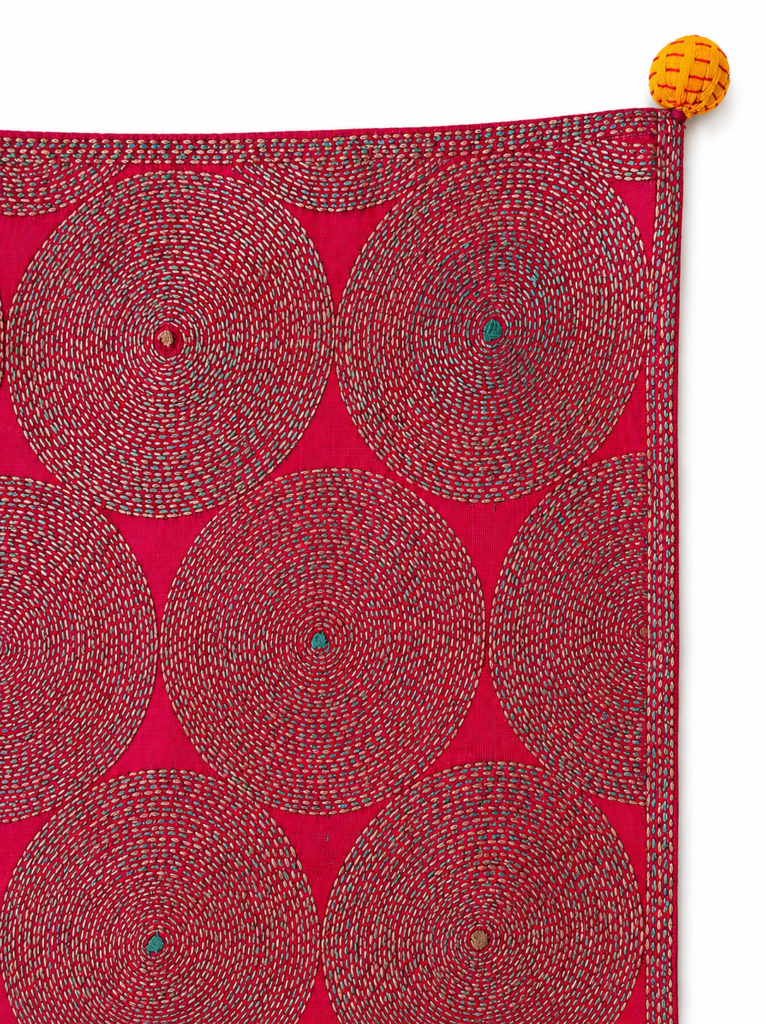
Gen Z is moving beyond fast fashion in search of authenticity, sustainability, and individuality. Discover why the centuries-old craft of Kantha feels surprisingly relevant to a generation redefining style on its own terms.
Remember When Buying More Felt Like Winning?
There was a time, not too long ago, when filling your cart felt oddly satisfying.
Five tops for the price of one.
A new trend every weekend.
Closets overflowing with clothes, yet somehow nothing to wear.
We bought because everyone else was buying. Social media told us what was “in” this week, and before we knew it, there was already something newer waiting to replace it.
It was exciting.
Until it wasn’t.
Somewhere between endless shopping hauls, overflowing wardrobes, and trends that barely survived a season, something quietly changed.
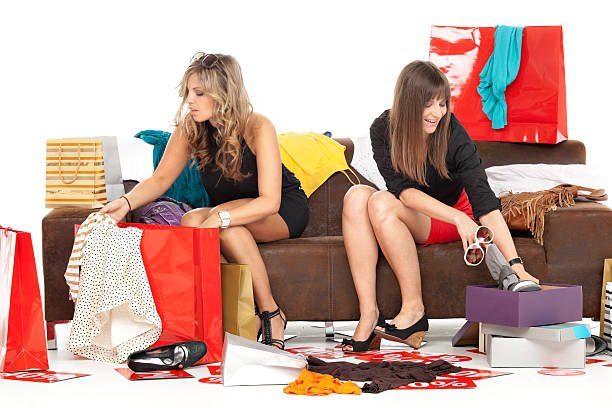
Instead of asking, “What’s everyone wearing?”
Gen Z started asking something far more interesting.
“Do I actually need this?”
“Who made it?”
“Will I still love it a year from now?”
It wasn’t a loud revolution.
No one announced it.
It simply happened.
People started thrifting.
They began supporting local artists.
They swapped fast fashion for vintage finds. Machine-made décor gave way to handcrafted ceramics. Mass-produced accessories were replaced with objects that actually meant something.
Without even realising it, an entire generation had begun moving towards something our grandparents always understood.
That beautiful things are worth waiting for.
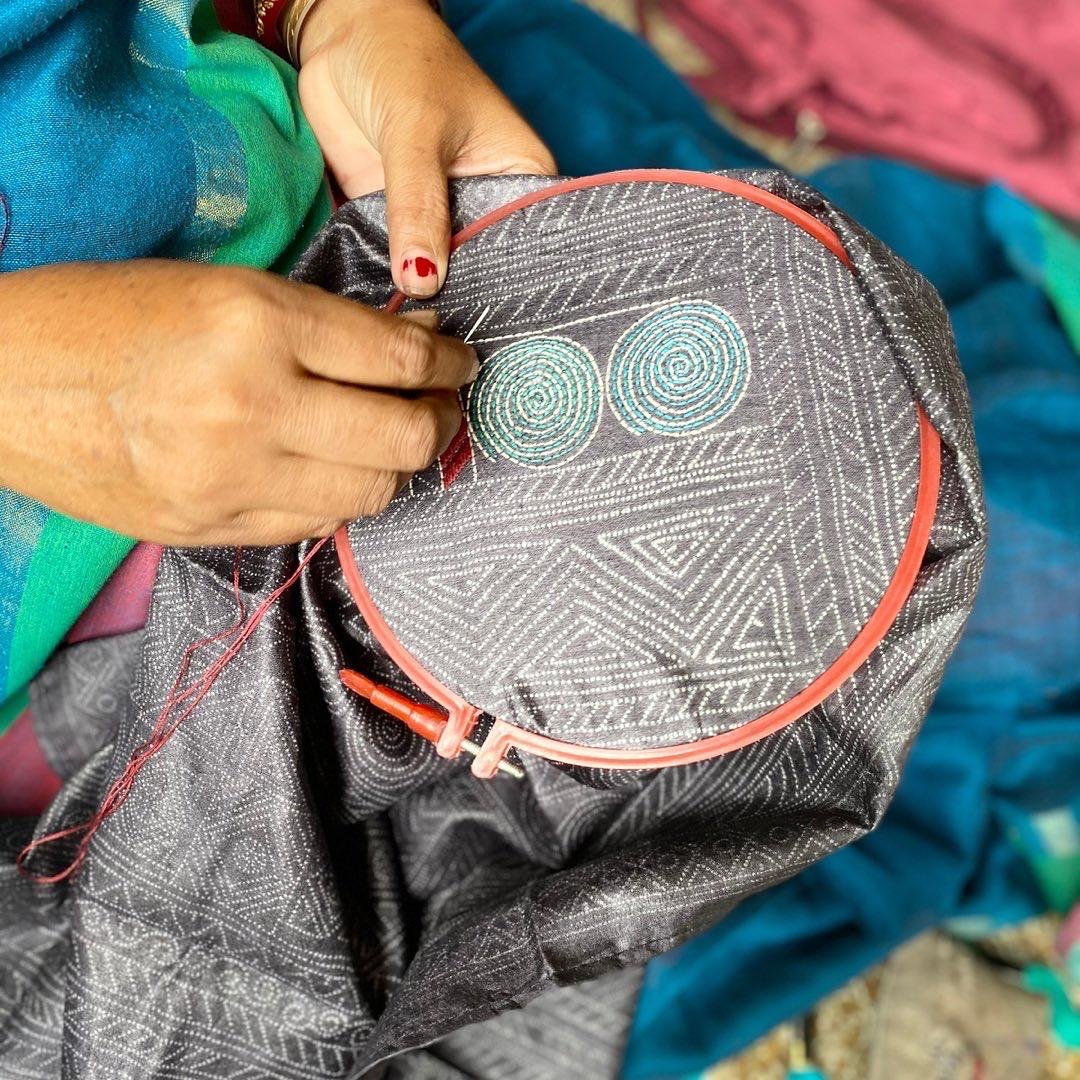
And perhaps that’s exactly why Kantha feels so relevant today.
Not because it has reinvented itself.
But because Gen Z has finally caught up with what Kantha has always been about.
Kantha Was “Slow Fashion” Before Slow Fashion Had a Name
Today, almost every brand wants to be called sustainable.
It’s become one of the biggest buzzwords in fashion.
But Kantha never needed a marketing campaign to become sustainable.
It simply was.
For generations, women across Bengal stitched together layers of worn cotton fabric, giving textiles a second life instead of throwing them away.
Not because it was trendy.
Because it made sense.
Every stitch represented care rather than consumption.
Every finished piece reflected patience rather than production.
Long before words like upcycling, circular fashion, or conscious consumption became part of everyday conversations, Kantha quietly practised all of them.
Funny how some of the oldest ideas often become the newest trends.
Gen Z Isn’t Looking for Perfect Anymore
Scroll through Instagram today and you’ll notice something interesting.
People aren’t obsessing over perfectly polished aesthetics the way they once did.
Instead, they’re celebrating thrifted jackets.
Handmade pottery.
Vintage cameras.
Coffee tables that don’t match.
Homes that look lived in rather than staged.
Even fashion influencers proudly point out the little quirks that make something unique.
Because perfection has become predictable.
Character hasn’t.
That’s exactly what Kantha offers.
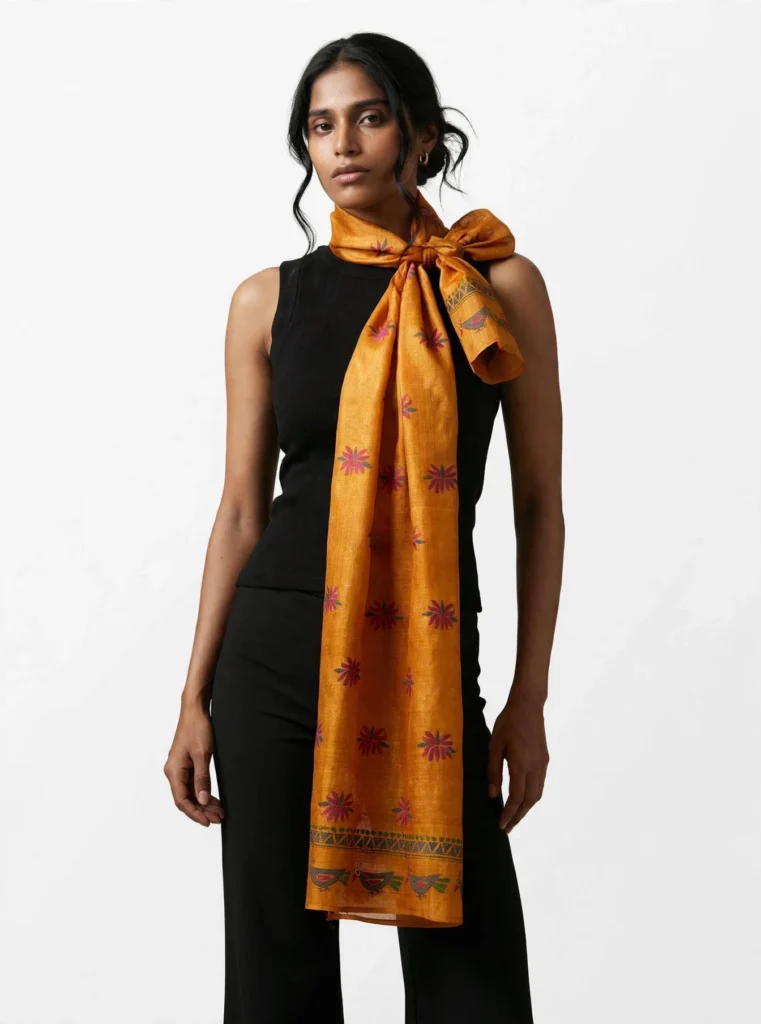
Look closely at a handcrafted Kantha piece and you’ll notice tiny irregularities.
A stitch that isn’t perfectly straight.
A subtle shift in texture.
Patterns that feel wonderfully human.
For years, industries taught us to hide these imperfections.
Today, they’re exactly what people fall in love with.
The Real Luxury Is Owning Something Nobody Else Has
Luxury used to mean logos.
Today, it means stories.
Think about the things people proudly share now.
A ceramic mug made by a local artist.
A vintage jacket discovered in a tiny thrift store.
Jewellery handcrafted by an independent maker.
They’re not showing these pieces because they’re expensive.
They’re showing them because they’re impossible to replicate.
Kantha belongs in that conversation.
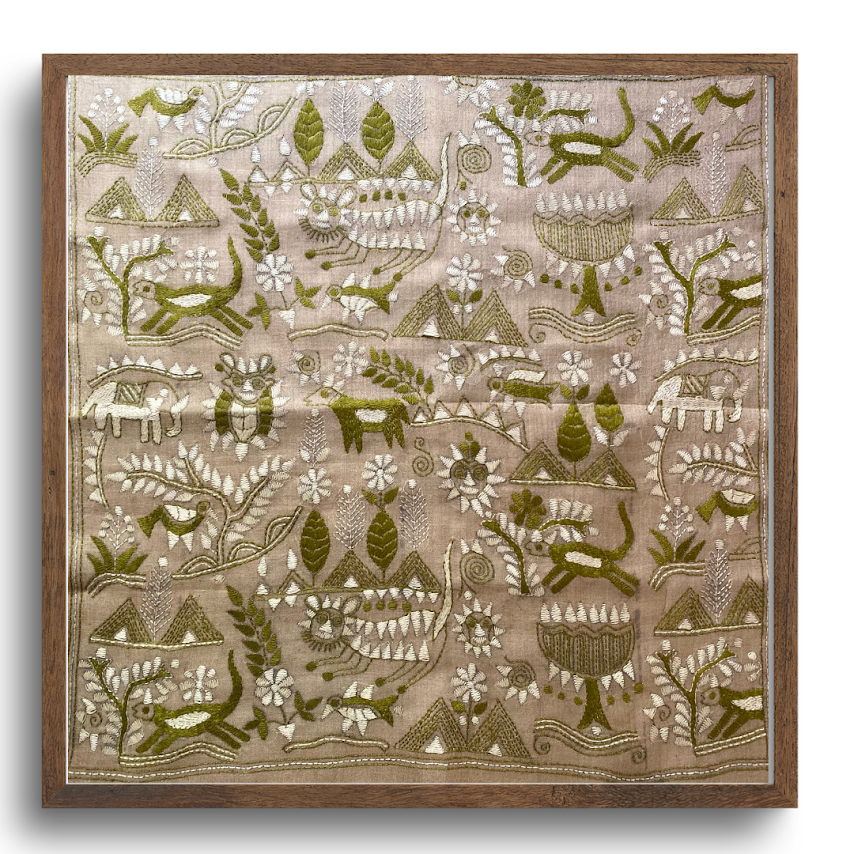
No two pieces are identical.
Not because someone designed them to be exclusive.
But because human hands simply don’t repeat themselves.
That’s a kind of luxury machines can never manufacture.
We’re Tired of Things That Feel Disposable
Fast fashion didn’t just change shopping.
It changed our relationship with the things we own.
Clothes became temporary.
Home décor became seasonal.
Everything became replaceable.
Yet the pieces people remember rarely come from impulse purchases.
They’re usually gifts.
Family heirlooms.
Handmade quilts.
Objects that carry memories.
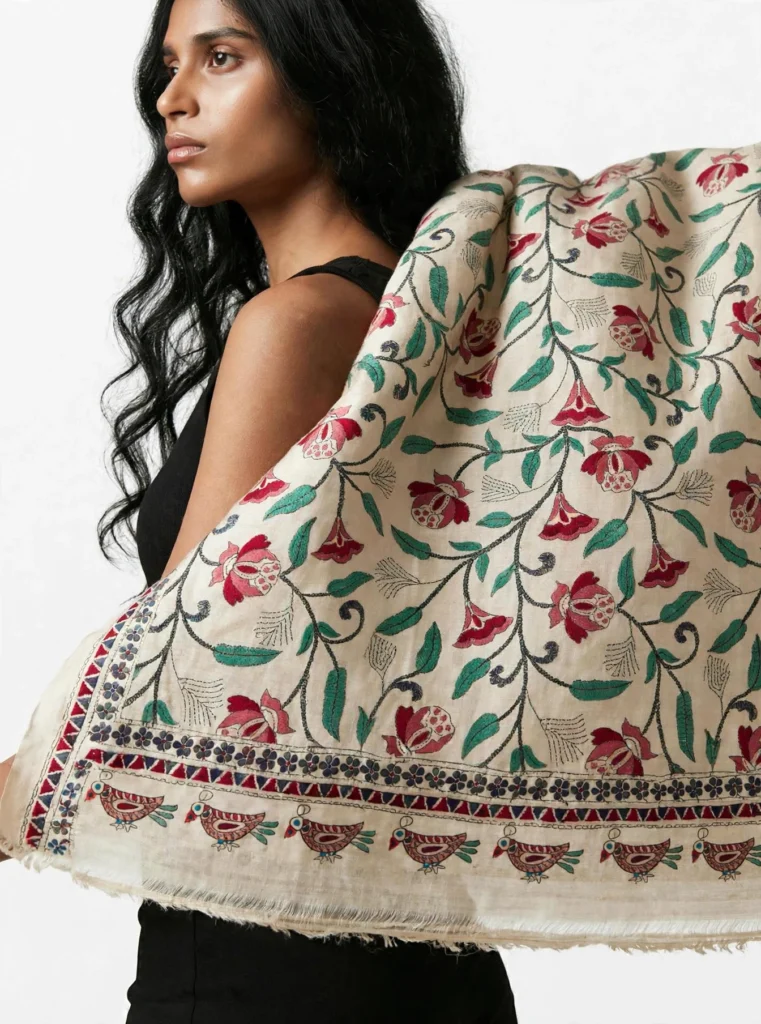
Kantha has always belonged to that second category.
It isn’t designed to survive one season.
It’s created to stay with you.
To soften with time.
To collect memories alongside the people who live with it.
Buying Handmade Feels Different Because It Is Different
Imagine holding two cushion covers.
One arrived from a factory where thousands were produced every day.
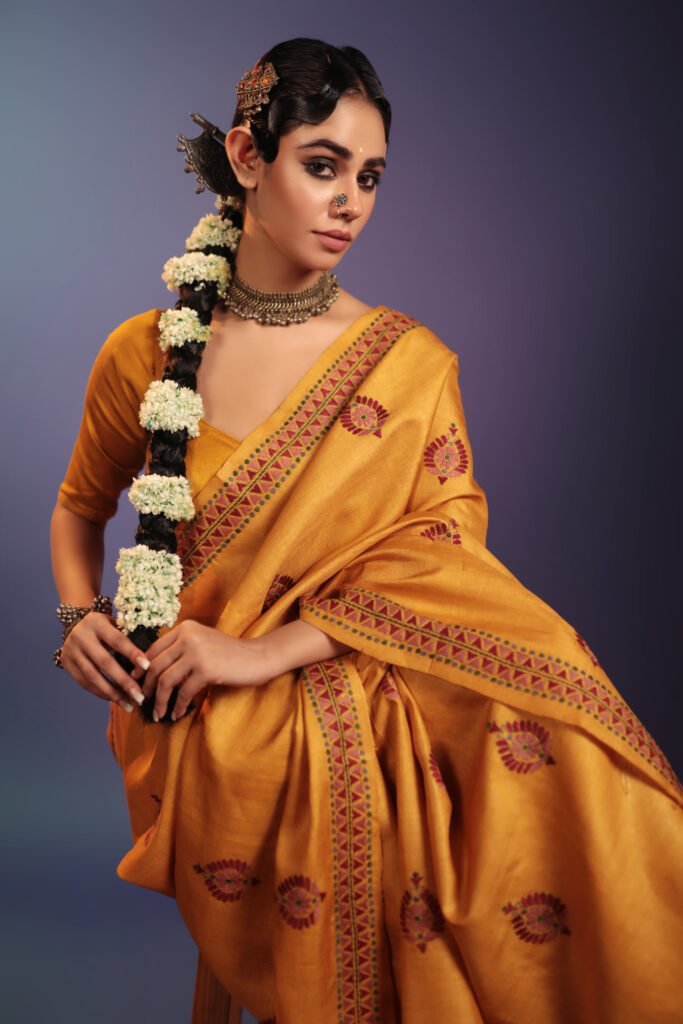
The other was embroidered patiently by an artisan whose family has practised the craft for generations.
They may both serve the same purpose.
But they don’t carry the same feeling.
One fills a space.
The other carries someone’s time.
Perhaps that’s what we’re really buying when we choose handmade.
Not just the object.
But the hours, skill, and quiet dedication stitched into it.
Why Kalkatte Vaali Doesn’t Believe in Endless Collections
People often ask why some Kalkatte Vaali pieces are available only in limited numbers.
The answer is simple.
Craft doesn’t work on factory timelines.
Every Kantha textile asks for patience.
Not because artisans work slowly.
Because they work carefully.
Rushing would mean losing the very thing that makes the craft special.
So instead of producing more, Kalkatte Vaali chooses to produce thoughtfully.
Each collection is intentionally limited, not to create scarcity, but to honour the pace that genuine craftsmanship deserves.
In a world obsessed with faster, more, and newer, that’s a philosophy worth preserving.
Maybe Gen Z Isn’t Rediscovering Kantha After All
Perhaps Kantha never disappeared.
Perhaps we’ve simply become ready to appreciate it.
The values that define this centuries-old craft, sustainability, individuality, patience, and mindful living, are the very values shaping how many young people choose to live today.
That’s why Kantha doesn’t feel old.
It feels current.
Not because it followed trends.
Because trends finally caught up with it.
Final Thoughts
Every generation leaves behind a signature.
For Gen Z, it may not be louder fashion or faster consumption.
It may be something much quieter.
Choosing fewer things.
Choosing better things.
Choosing stories over status.
And if that’s the future, then Kantha isn’t a craft we’re preserving out of nostalgia.
It’s one we’re carrying forward because it still has something meaningful to say.
Explore Kalkatte Vaali’s handcrafted Kantha collection and discover pieces that celebrate slow craftsmanship, timeless design, and the beauty of owning something made with intention.
Visit us @ www.kalkattevaali.in

Nisanth (Mumbai) purchase
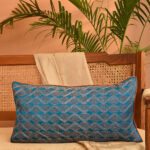
Plaids- Blue- Kantha cushion cover | 14″x26″| Rectangular | Blue colour30 minutes ago