Quick contacts
-
924/1 Cummerata Mission, Los Angeles, USA, Inc - 4852
-
Monday: 13:00-18:00


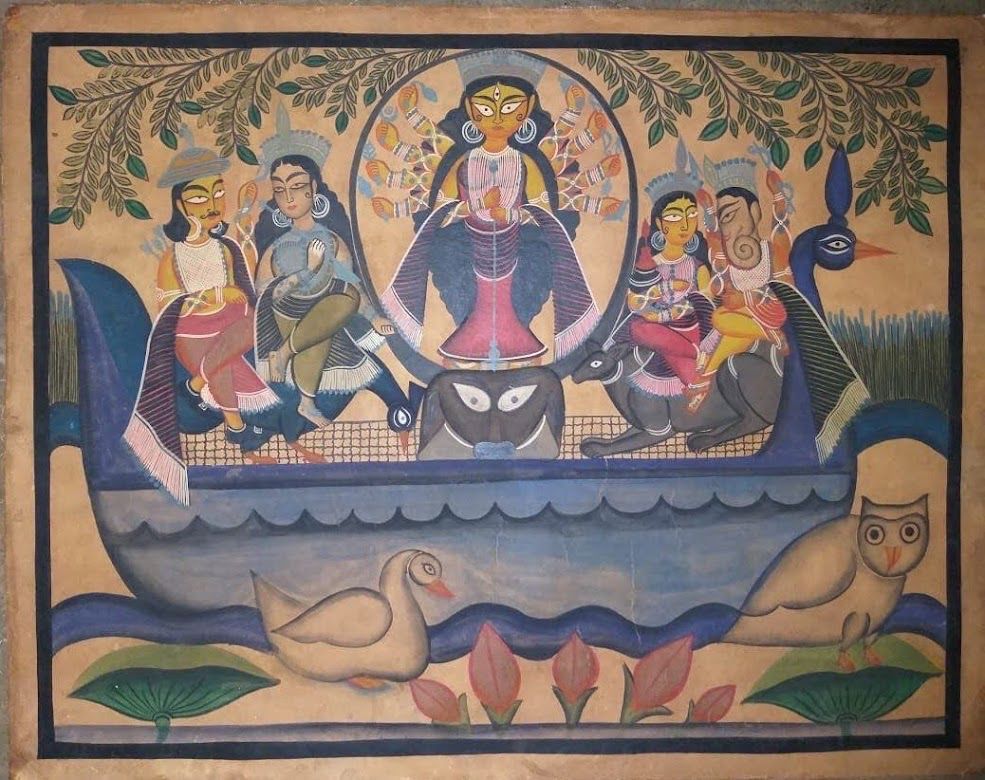
Explore the rich history and storytelling tradition of Pattachitra art and understand why this heritage craft continues to captivate modern collectors.
Introduction: Where Story Meets Brushstroke
In the rich landscape of traditional folk art in India, few art forms carry the narrative depth and cultural continuity of Pattachitra. It is not merely a painting technique, it is a storytelling tradition preserved through generations of artisans who translated mythology, folklore, and lived experiences onto cloth.
To understand Pattachitra art history is to understand how devotion, discipline, and design merge into visual storytelling. Each piece is not just decorative; it is cultural memory rendered in pigment and line. Even today, this ancient Indian scroll painting tradition continues to speak, quietly yet powerfully , to those who value meaning in art.
What Does Pattachitra Mean?
The word Pattachitra is derived from two Sanskrit words:
Literally, it means “painting on cloth.” However, the Bengal Pattachitra meaning extends beyond this simple translation. In West Bengal, particularly in regions such as Medinipur, Pattachitra evolved as a performative narrative art. Artists known as Patuas painted long vertical scrolls and narrated the stories through song while gradually unrolling the artwork.
It was art in motion, visual storytelling accompanied by voice and rhythm. Each frame revealed a new scene, transforming Indian scroll painting into an immersive cultural experience.
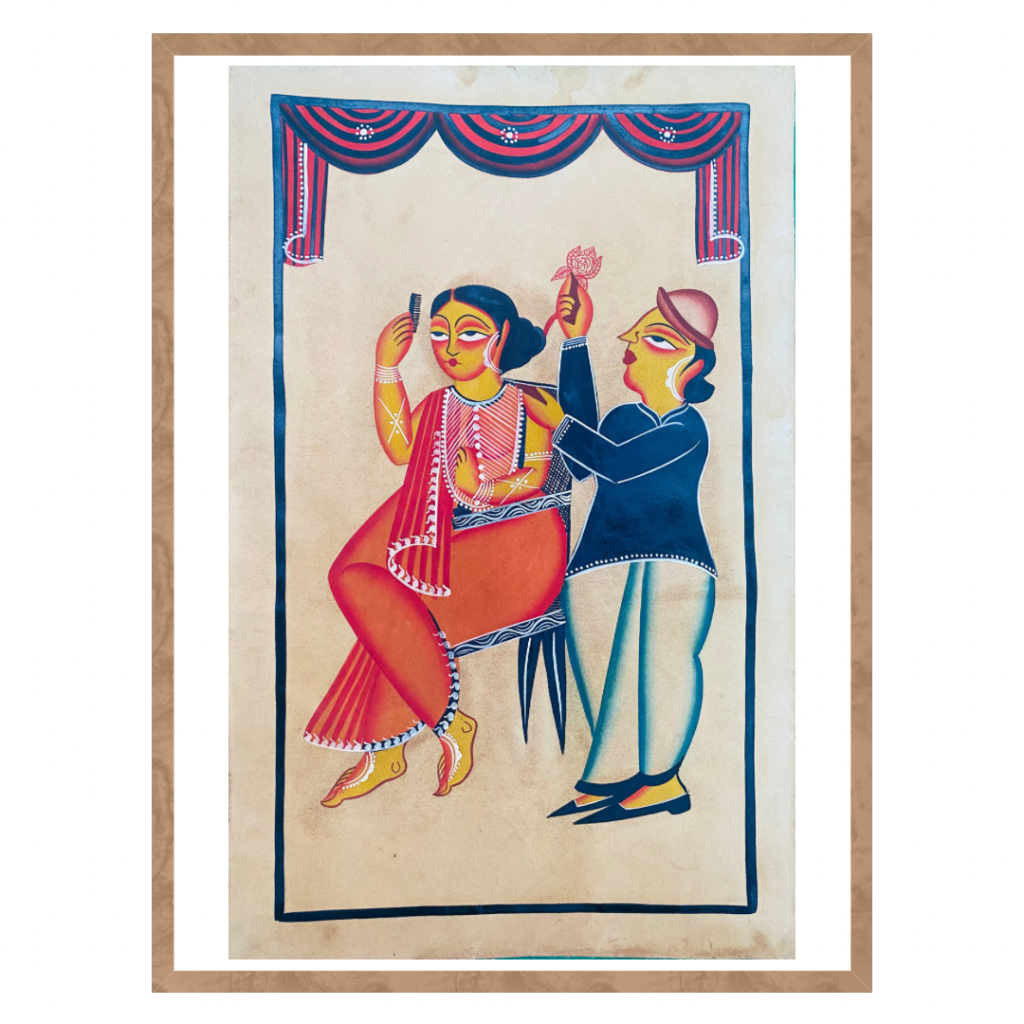
The Origins: A Devotional and Narrative Tradition
The history of Pattachitra art dates back several centuries and is deeply rooted in devotional practices and rural storytelling. Traditionally, these scrolls depicted:
In communities where literacy was limited, Pattachitra served as an accessible medium to transmit culture, values, and mythology. The scroll format allowed stories to unfold sequentially, guiding viewers through layered narratives.
Unlike static artworks, these paintings travelled from village to village, carrying stories wherever they went. Within the larger spectrum of traditional folk art in India, Bengal’s Pattachitra stands out for its strong narrative character and adaptability.
The Craft: Discipline in Every Detail
Pattachitra is not spontaneous art. It is meticulous and deeply methodical.
Preparing the Canvas
The cloth is first coated with a mixture of chalk and natural gum. Once dried, it is polished with stones until it achieves a smooth, leather-like finish. This preparation ensures durability and provides a refined surface for intricate detailing.
Natural Pigments
Historically, artists used colors derived from natural sources:
These natural dyes give Pattachitra its distinctive earthy yet vibrant palette.
Intricate Line Work
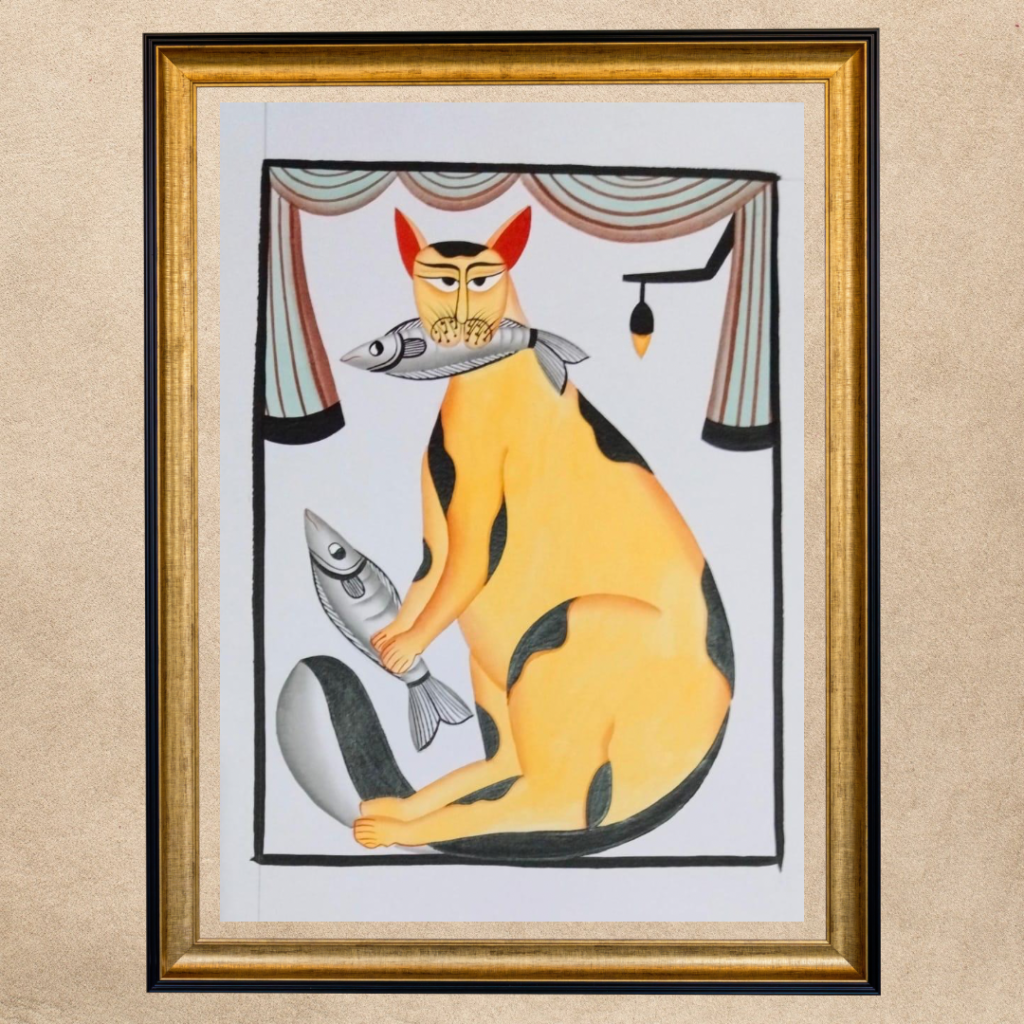
Bold outlines, stylized figures, expressive eyes, and decorative borders define the aesthetic. Empty space is rare; every section of the surface is thoughtfully composed. This dedication to craftsmanship is one reason why authentic Pattachitra continues to command artistic respect and cultural value.
Themes That Evolve Yet Endure
While mythology remains central to Pattachitra art history, Bengal’s artists have historically adapted their work to reflect contemporary realities as well. Over time, themes expanded to include:
This adaptability ensured that Pattachitra remained alive rather than frozen in time. It evolved with society while preserving its distinctive visual language. That balance between continuity and change is what keeps it relevant even today.
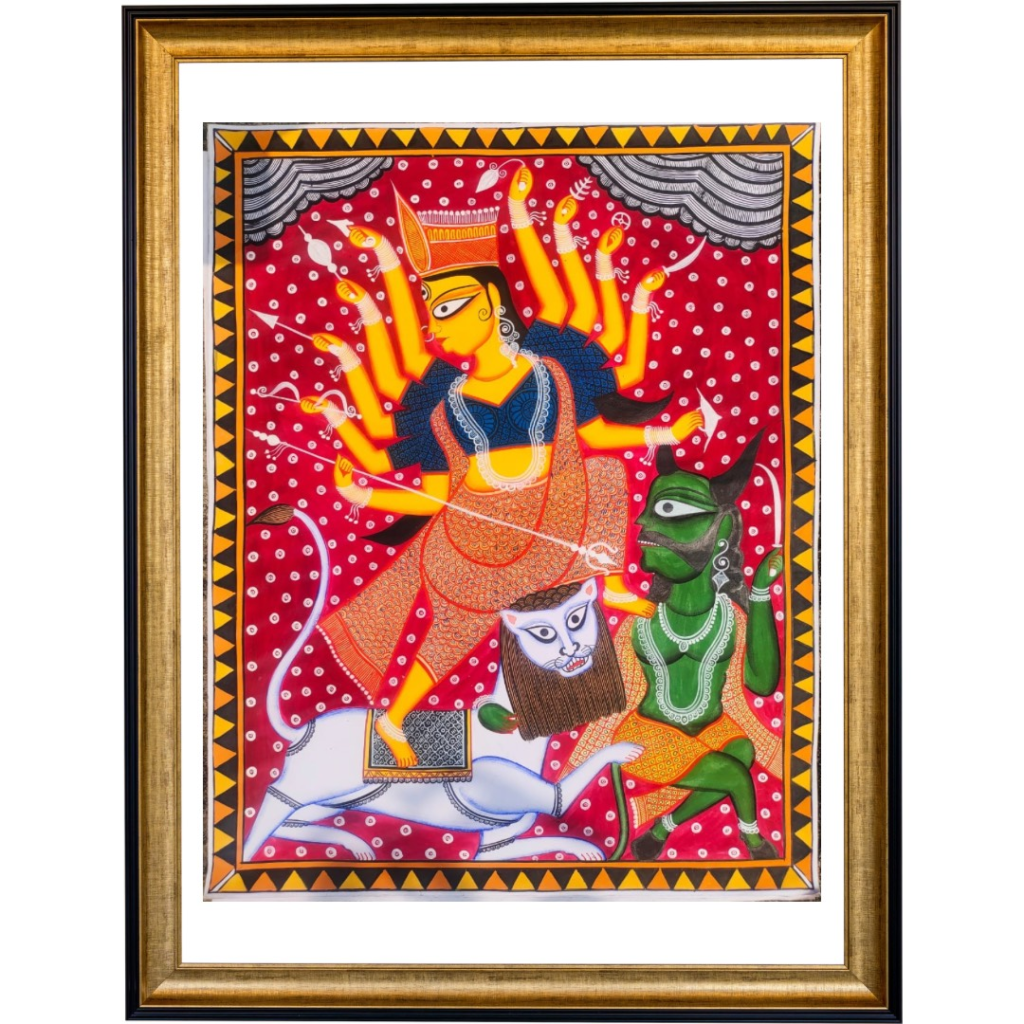
What Makes Bengal Pattachitra Distinct?
Although Pattachitra is practiced in multiple regions, Bengal’s version carries unique characteristics:
Rather than presenting a single isolated scene, Bengal Pattachitra guides the viewer through a journey, almost like turning the pages of a painted manuscript. Within traditional folk art in India, this narrative richness gives Bengal’s Pattachitra a distinctive identity.
Pattachitra in Contemporary Spaces
Today, Pattachitra has moved beyond its scroll format and entered contemporary interiors as framed artworks, curated décor pieces, and collectible heritage art.
Yet its essence remains unchanged. In a world dominated by mass-produced prints, handcrafted Indian scroll painting offers something rare, individuality. Each brushstroke reflects the rhythm of the artisan’s hand. Subtle variations make every piece unique.
For those seeking to bring depth and cultural richness into their living spaces, thoughtfully curated Pattachitra artworks can transform a wall into a conversation and a room into a story. Explore Kalkatte Vaali’s curated Pattachitra collection to discover heritage artworks that blend timeless storytelling with contemporary aesthetics.
Why Pattachitra Continues to Captivate Collectors
The continued relevance of Pattachitra lies in its layered value:
Modern collectors increasingly seek art with substance, not just surface appeal. Pattachitra offers both.
Preserving a Living Legacy
Supporting Pattachitra is not merely about acquiring art; it is about sustaining communities of artisans who have preserved this knowledge across generations. Every handcrafted piece contributes to the continuation of a living tradition.
As appreciation for heritage craftsmanship grows, choosing authentic artisan-created work ensures that Pattachitra thrives, not as a relic of the past, but as a meaningful presence in contemporary life.
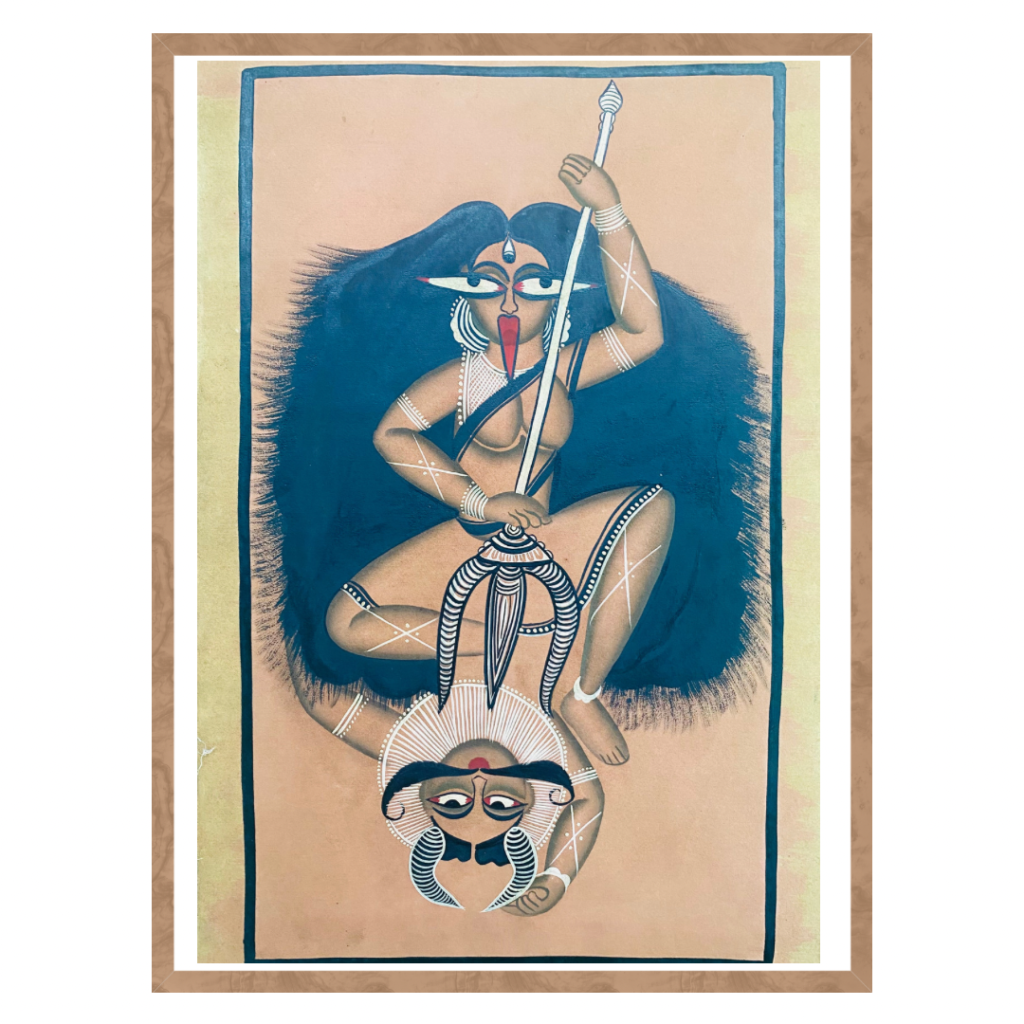
Conclusion: An Art Form That Still Speaks
The story of Pattachitra is ultimately a story of continuity. From village storytellers unrolling painted scrolls to modern collectors displaying framed works, this Indian scroll painting tradition has traveled across centuries without losing its voice.
It speaks of mythology and morality. Of discipline and devotion. Of culture preserved through color and line. And perhaps that is why, even today, Pattachitra still speaks, quietly, meaningfully, and enduringly.

It is a long established fact that a reader will be distracted



Nisanth (Mumbai) purchase
Plaids- Blue- Kantha cushion cover | 14″x26″| Rectangular | Blue colour30 minutes ago


Comments(0)