Quick contacts
-
924/1 Cummerata Mission, Los Angeles, USA, Inc - 4852
-
Monday: 13:00-18:00


Discover why Kantha embroidery is considered sustainable fashion and how this traditional Bengal craft reflects mindful creation, slow craftsmanship, and timeless style.
Introduction: Fashion with Meaning
In recent years, sustainability has become one of the biggest conversations in fashion. As people grow more conscious of overproduction, waste, and fast-changing trends, there is a noticeable shift toward clothing and textiles that feel more thoughtful and lasting.
Interestingly, long before sustainability became a global movement, traditional crafts in India were already practicing its principles naturally.
Kantha embroidery is one of the finest examples of this.
Rooted in Bengal’s cultural heritage, Kantha is not only admired for its beauty and intricate handwork, but also for the mindful philosophy behind its creation. It represents slow craftsmanship, resourcefulness, and a deep respect for materials, values that define sustainable fashion today.
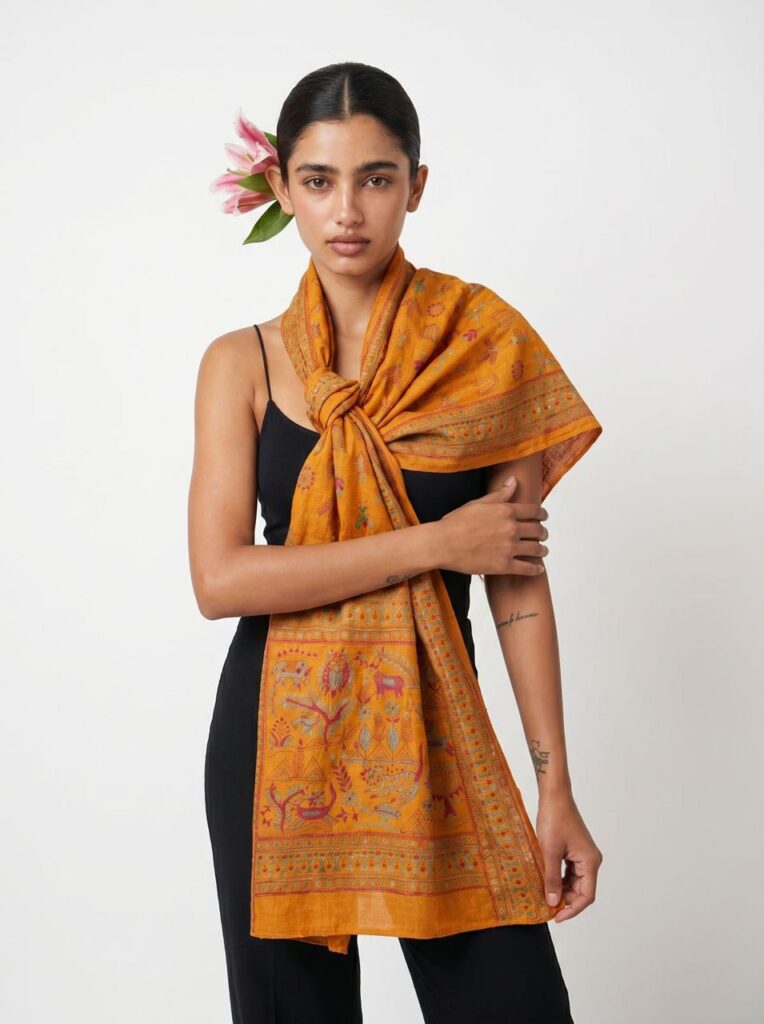
The Origins of Kantha Embroidery
Kantha embroidery originated in the rural households of Bengal, spanning present-day West Bengal and Bangladesh.
Traditionally, women layered old sarees and worn fabrics together and stitched them using simple running stitches to create quilts, wraps, and everyday household textiles.
What makes this remarkable is that Kantha was never created as wasteful fashion. It emerged from the idea of renewal, giving existing fabric a second life instead of discarding it.
This practice of repurposing textiles is one of the earliest examples of sustainable thinking within Indian craft traditions.
Reusing Fabric Instead of Wasting It
One of the strongest reasons Kantha embroidery aligns with sustainable fashion is its foundation in textile reuse.
Historically, fabrics that were too old to wear were not thrown away. Instead, they were layered and transformed into something functional and beautiful through embroidery.
This approach reflects a principle that modern sustainable fashion now strongly promotes:
Use more thoughtfully. Waste less.
Even in contemporary Kantha products, the spirit of mindful creation remains deeply connected to the craft.
Slow Craftsmanship in a Fast Fashion World
Fast fashion depends on speed, mass production, and constant consumption. Kantha embroidery exists in complete contrast to this model.
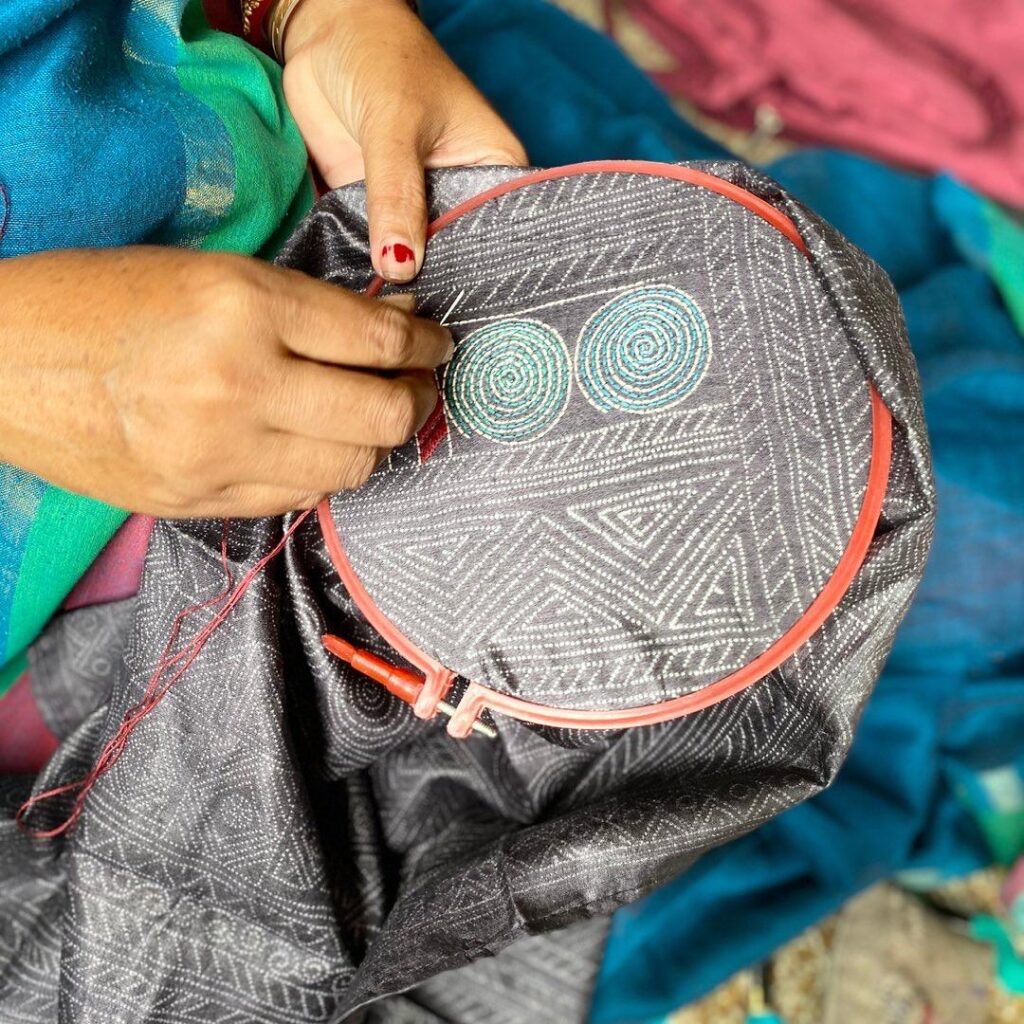
Every handcrafted Kantha piece takes time.
Thousands of running stitches are created by hand, often over several days or weeks. This slow process means that each garment or textile carries individual attention and craftsmanship.
Unlike machine-made products created in bulk, Kantha embroidery values patience over production speed.
This slower approach is one reason why handcrafted textiles often feel more meaningful and long-lasting.
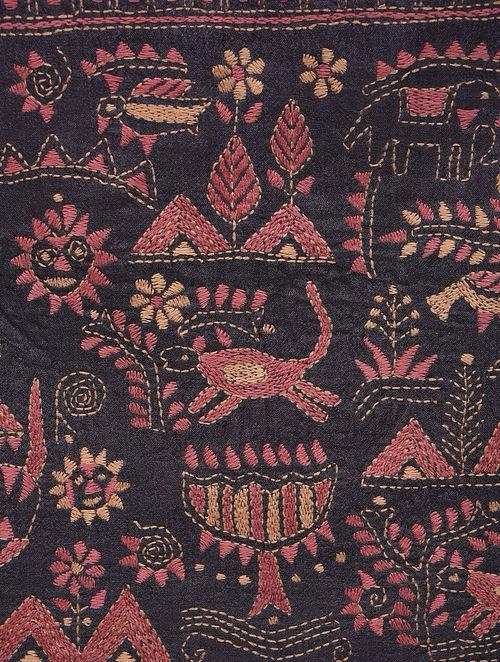
Handmade Means Lower Environmental Impact
Large-scale industrial fashion production often involves:
• Heavy machine usage
• High electricity consumption
• Chemical-heavy processes
• Large amounts of textile waste
Kantha embroidery relies primarily on handwork.
Because it is artisan-led rather than factory-driven, the environmental impact is significantly lower compared to mass manufacturing processes.
Traditional Kantha also uses natural fabrics like cotton and silk, which further aligns with conscious textile practices.
Timeless Style Over Seasonal Trends
Sustainable fashion is not only about how clothing is made. It is also about how long it remains relevant.
Kantha embroidery has remained admired across generations because it is timeless rather than trend-driven.
Its appeal comes from:
• Handcrafted textures
• Artistic detailing
• Cultural storytelling
• Versatile styling possibilities
Unlike trend-based fashion pieces that quickly lose relevance, Kantha garments often remain wardrobe staples for years.
This longevity naturally supports more mindful consumption.
Supporting Artisan Communities
Choosing handcrafted Kantha also means supporting artisan communities and preserving traditional skills.
Many Kantha artisans inherit their techniques through generations of practice. Their work carries cultural knowledge, artistic discipline, and regional identity.
When people choose handmade textiles over mass-produced alternatives, they contribute to:
• Sustaining artisan livelihoods
• Preserving heritage crafts
• Encouraging ethical production
• Supporting slower, human-centered creation
This social aspect is an important part of sustainable fashion that often gets overlooked.
The Beauty of Imperfection
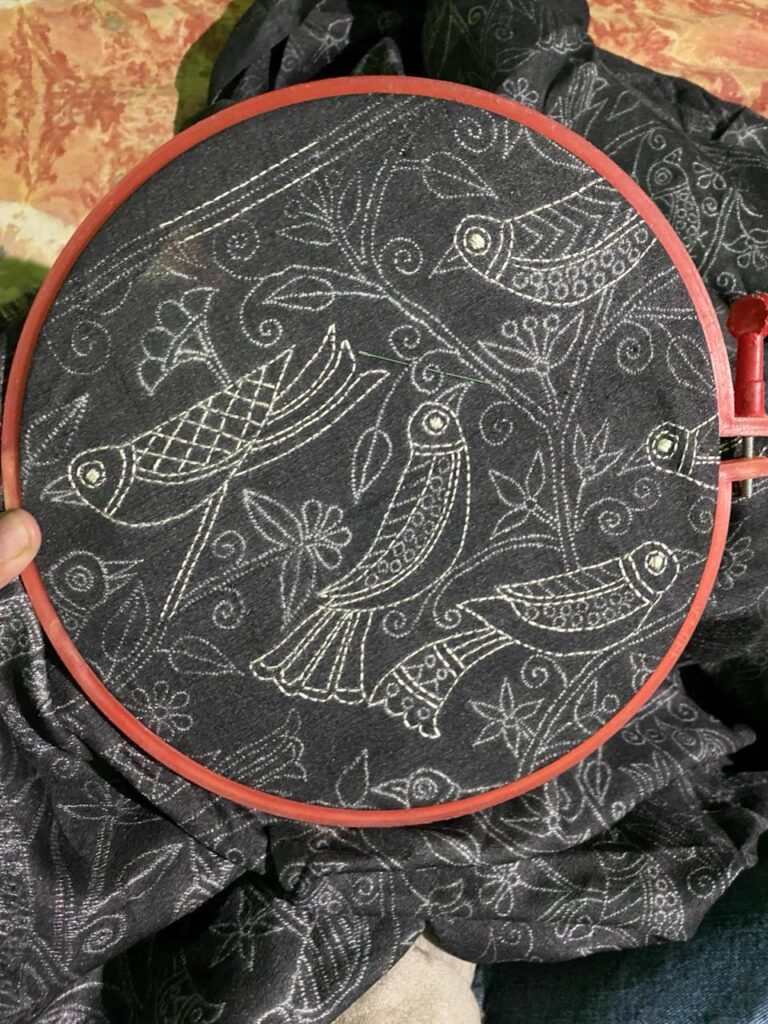
One of the most distinctive aspects of Kantha embroidery is that no two pieces are ever exactly alike.
Slight variations in stitching, texture, and detailing are natural because each piece is created by hand.
In fast fashion, uniformity is considered ideal. In handcrafted textiles, individuality becomes part of the beauty.
This uniqueness encourages people to value garments more personally, making them less disposable and more cherished over time.
Kantha in Contemporary Fashion
Today, Kantha embroidery has found a place in modern wardrobes while still preserving its traditional essence.
It is now used across:
• Sarees
• Dupattas
• Jackets
• Stoles
• Contemporary fusion wear
• Home textiles
Its versatility allows it to adapt beautifully to modern styling while remaining rooted in heritage craftsmanship.
For many people, Kantha represents a balance between conscious fashion and artistic expression.
Why Conscious Buyers Are Choosing Handcrafted Textiles
As consumers become more aware of the impact of fast fashion, there is growing appreciation for products that feel authentic and responsibly made.
People are increasingly looking for:
• Quality over quantity
• Craftsmanship over mass production
• Longevity over trends
• Meaning over excess
Kantha embroidery naturally fits within this shift because it represents thoughtful creation rather than disposable consumption.
Choosing handcrafted textiles becomes not just a style decision, but a conscious lifestyle choice.
Sustainability Beyond Fabric
What makes Kantha truly sustainable is that its philosophy goes beyond materials.
At its core, Kantha reflects:
• Patience
• Resourcefulness
• Preservation
• Human connection
It reminds us that fashion does not always need to be fast to be beautiful.
In many ways, Kantha embroidery represents a slower and more mindful relationship with clothing, one that values artistry, longevity, and emotional connection.
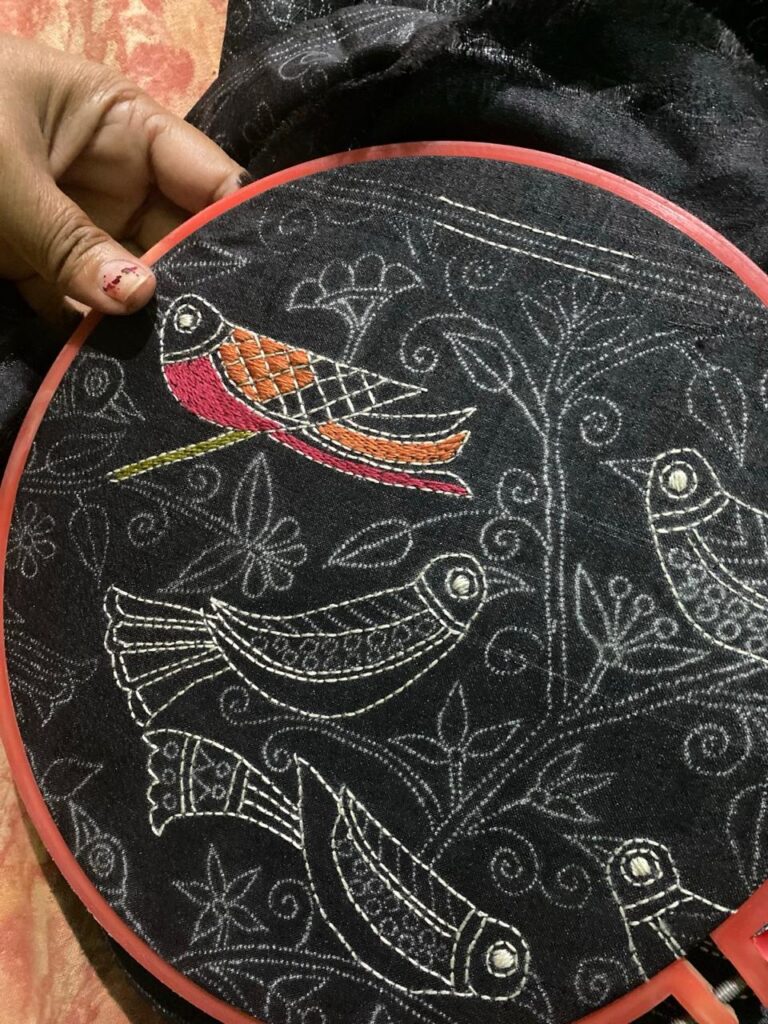
Why Limited Pieces Are Part of the Philosophy
One of the defining aspects of handcrafted Kantha is that it cannot be rushed.
Unlike factory-made products that are designed for large-scale production, Kantha embroidery demands time, patience, and attention to detail. Every stitch is created by hand, making the process inherently slow and intentional.
This is also why brands that work closely with artisans often choose to produce limited quantities rather than mass-produce collections. The goal is not to create more pieces in less time, but to preserve the integrity of the craft and the quality of the finished work.
At Kalkatte Vaali, limited-edition Kantha creations are a reflection of this philosophy. By working in harmony with the pace that the craft naturally demands, each piece receives the care and attention it deserves. This mindful approach allows the artisans to focus on craftsmanship rather than volume, ensuring that every creation remains unique and thoughtfully made.
In a world driven by excess and instant consumption, limited production encourages a more conscious relationship with fashion, one that values purpose, intention, and longevity over quantity.
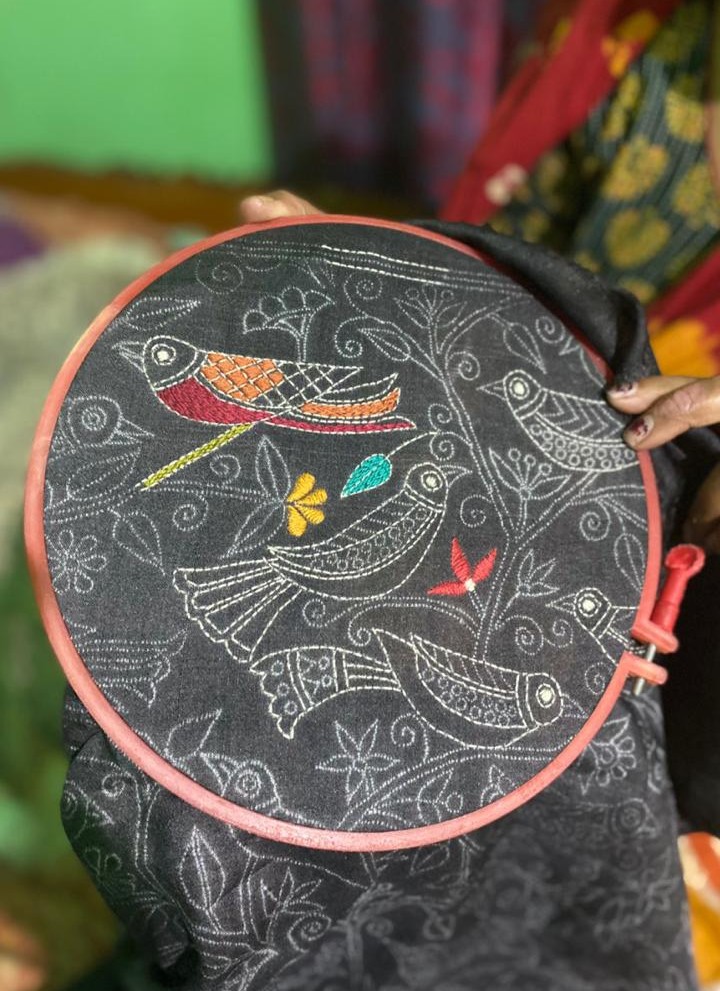
Conclusion: A Craft Rooted in Conscious Creation
Kantha embroidery is sustainable not because it follows a modern trend, but because sustainability has always been woven into its identity.
From repurposing textiles and supporting artisan communities to embracing slow craftsmanship and mindful production, every aspect of the craft reflects a thoughtful approach to creation.
The limited nature of handcrafted Kantha pieces is not a constraint, it is a conscious choice that honours the time, skill, and dedication required to preserve this centuries-old tradition.
In a world increasingly shaped by fast consumption, Kantha offers something refreshingly enduring – fashion created with patience, purpose, and care.
And perhaps that is why this heritage craft continues to feel so relevant today. It reminds us that true value is often found not in abundance, but in the things that are made slowly, intentionally, and meant to last.

It is a long established fact that a reader will be distracted



Nisanth (Mumbai) purchase
Plaids- Blue- Kantha cushion cover | 14″x26″| Rectangular | Blue colour30 minutes ago


Comments(0)